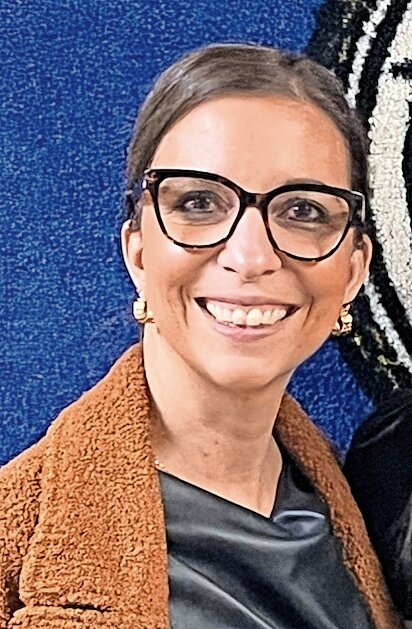
By Alison Chaplar
If you turn on a local radio station, chances are you’ll hear a commercial for a new and upcoming charter school in the area. These schools are being promoted as a new and improved alternative to our current public schools. As they continue to spread across Long Island, we, the taxpaying community members, need to ask these questions: Why the sudden influx? And who is benefiting financially from these charter schools?
While public schools across the Island are currently facing tight budgets, staffing shortages and increasing numbers of students with greater needs, how can we take money slated for these students and schools to line someone else’s pocket? It’s time for the community to question where the tax dollars that we voted to send to our public schools are actually going. Don’t we deserve transparency and accountability for every one of those dollars?
Charter schools promote themselves as public schools, since they’re funded by taxpayers and families don’t pay out-of-pocket tuition. But unlike public schools, these institutions aren’t watched over by elected boards of education. Who approves a charter school budget? In public schools, budgets are presented to the community over the course of several board meetings. Community members then have an opportunity to question the spending plans and ultimately vote to accept or reject them.
On the other hand, charter schools receive money directly from public schools. They are able to spend money without being accountable to the community that provides them with these funds. Their budgets are never presented to their communities, and the local school districts are unable to see where the money is going. Their spending isn’t approved by voters, and communities can’t monitor how their tax money is being spent. This lack of transparency allows public money to be spent without any accountability or oversight.
Many of the charter schools that are popping up across Long Island are run by private management companies, real estate firms and vendors who profit from public funds. These companies often aren’t even local. They don’t have any vested interest in the community. They look at the school as a business where they don’t educate all children, but rather essentially hand-pick the students they want.
Students with special needs, or for whom English is a second language, or who have behavioral problems or learning difficulties, are often sent out of charter schools and back to public schools — which open their doors to them and welcome them. They educate every student who walks through those doors, regardless of their need. Public schools also absorb the full cost of educating them. When funding is redirected from public schools to charter schools, districts are often forced to cut programs, increase class sizes and delay crucial building repairs.
And when it comes to buildings, have you noticed how structures at charter schools can seem to be constructed overnight? This doesn’t happen because charter school administrations are more efficient. It happens because while public schools are required to disclose contractors’ bids on capital projects, charter schools can erect a building, add an extension or do major renovations with no bidding, no approval and, once again, no community oversight. If these are publicly funded improvements using taxpayers’ dollars, shouldn’t we all be held to the same standards? This raises more questions about transparency, accountability and equality.
This isn’t about opposing school choice. It’s about making sure that public education doesn’t become a moneymaker for big business rather than an organization to educate our students. The message here is about fiscal and educational transparency. If charter schools really claim to serve the public, then shouldn’t we see how our tax dollars are being spent?
When school budgets are created, we, the taxpayers, should have a voice in the process. That money we provide should go toward educational programs for classrooms, and books and resources for children. The budgets we approve should support learning. Our tax dollars belong with the children, not in a corporation’s pocket.
Alison Chaplar, of Massapequa, is a longtime public school educator, a mother and a community advocate.