
Merriam-Webster defines a “profession” as “an occupation (as medicine, law, or teaching) that requires specialized knowledge and often advanced education.” In addition to this basic definition, I would add that a profession also requires highly skilled training to help society and the greater good (law, medicine, engineering and architecture all fit this bill).
The complexity of the work of educators not only clearly falls within this definition, but also sets the standard. But because our work is often not fully understood, is tremendously diverse and involves children, it is often not seen as professional work. I would argue that the past few years provide ample evidence that education is in fact a profession, and that it should be considered as such is for the benefit of all.
During and after the pandemic, the roles of teachers and school administrators grew tremendously to include new responsibilities and challenges that they did not have in the past. This new list included not only ensuring that students were learning, gaining knowledge and skills, but also expanded to:
Attending to social and emotional well-being;
Physical contagion containment;
Providing learning in the home and at school simultaneously;
Providing home delivery of electronic devices and food;
Preventing and attending to what has been termed “learning loss”;
Managing the impact of A.I. on students and learning;
Preparing students for a world of volatility, uncertainty, chaos and ambiguity);
Managing safety and security concerns that have only grown over the past 25 years;
New environmental and social concerns.
To be clear, these are all noble and important responsibilities. My confidence in our public schools and our fine educators and administrators to do this work has never been higher.
I also think this is an opportunity to re-emphasize that all of our educators — teachers, teaching assistants, administrators, paraprofessionals, nurses, psychologists and related service providers such as speech therapists, occupational and physical therapists, custodial and clerical support staff — are all in this together as one profession that I would describe as the “movement business.”
For 26 years I have been an educator, but I know many people who work in finance and other industries. I have always been aware of their genuine curiosity as they have asked me to describe my average day. As is the case with all educators, my answer has changed frequently since 2020 — which forced me to refine my thinking about the work of educators into this one, encapsulating concept.
In the movement business, we are “moving” and helping develop the most precious natural resource, our children. As educators, we create a learning institution that never arrives at an endpoint. We use our ever-growing and improving knowledge of, and experience with, children, brain science, social psychology and specific subject area content to help our students, our fellow faculty and our communities move and grow into a more sophisticated and more capable form to keep up with the rapidly increasing complexity of the world. And we nurture those who will eventually face and solve the problems associated with this changing world.
Here are two final rhetorical questions about the profession that is education: Is there any more expansive or high-stakes work that is at the root of our future? And who else can do this work for our youth, and ultimately our society, besides educators?
I’ll keep working on a more professional-sounding name, but have no doubt about it: the movement business of education is indeed one of the most professional of the professions. As we consider the image and status of the work that we do as educators and the current educator shortage, it is my great hope that we focus on the knowledge and skill required, the impact on the present and the future, and the need for educators to consistently learn and adapt.
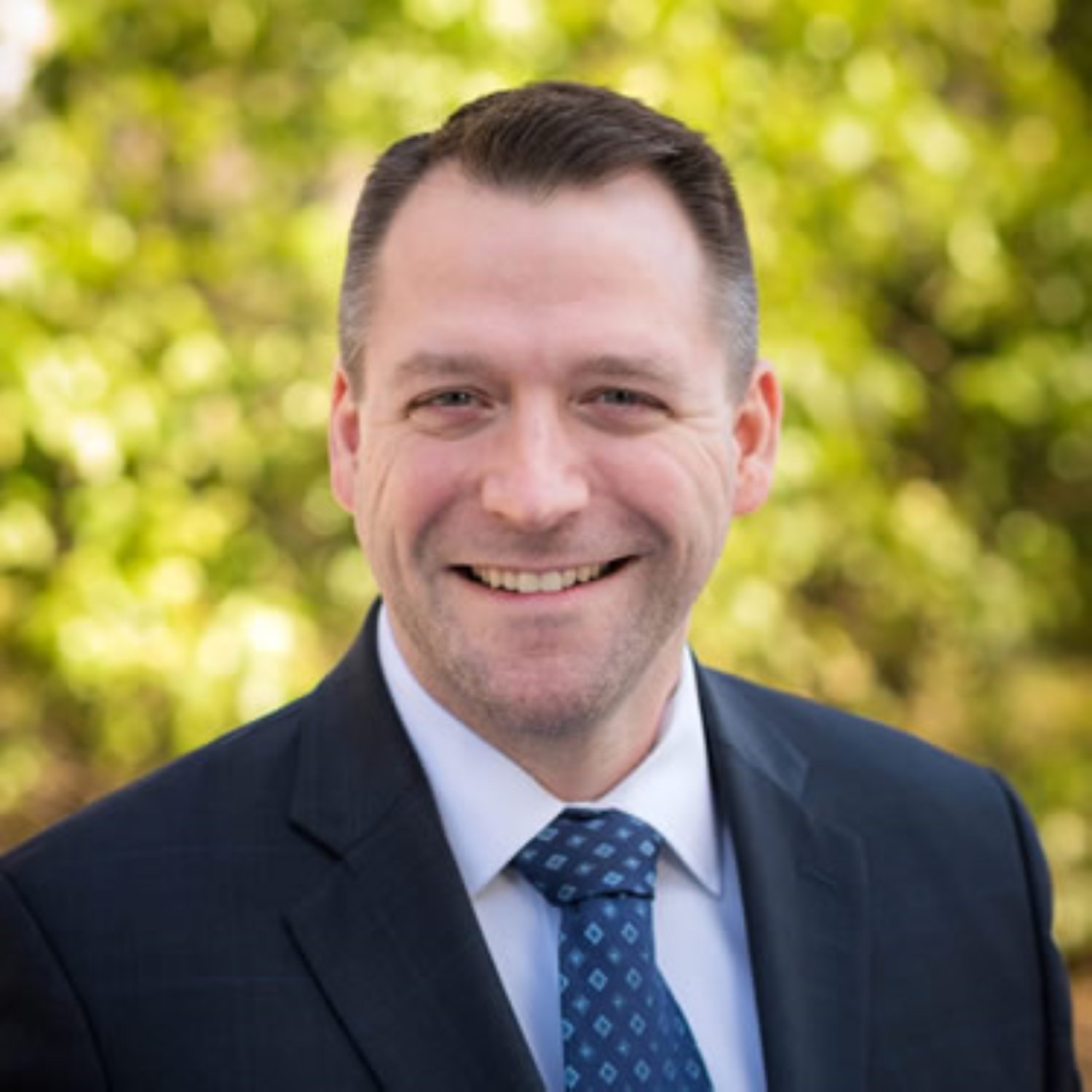
Christopher R. Zublionis, Ed.D., is superintendent of the North Shore School District.


