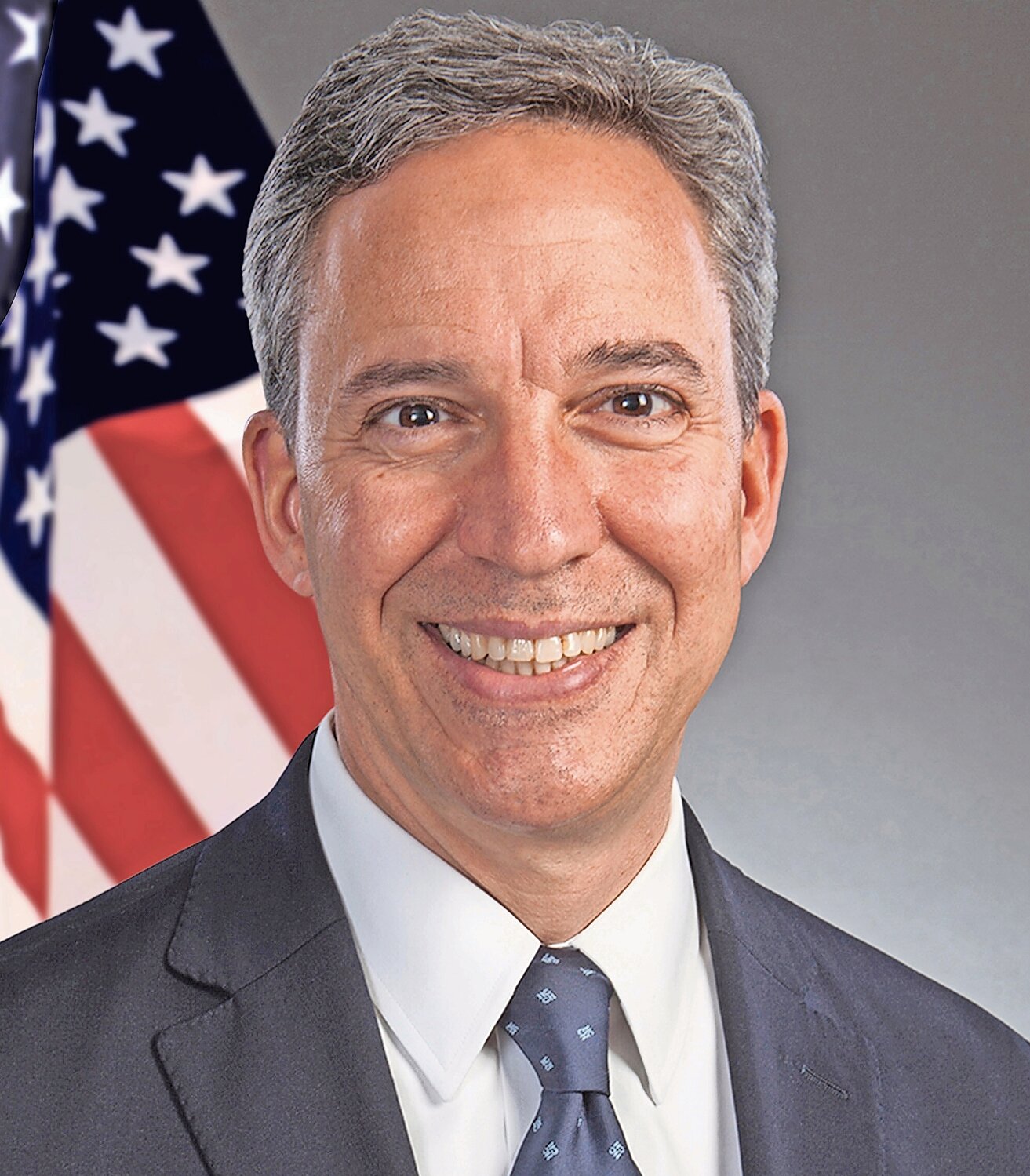
By Jack Martins
“Sticks and stones may break my bones, but words will never hurt me.”
We all grew up repeating that rhyme. And as cliché as it may now sound, it actually conveyed some valuable lessons. It promoted emotional resilience and, in true Stoic tradition, taught children that they have the power to rise above criticism and control their reactions to others’ words. It was a calm but clear reminder that the answer to words might be more words, but never fists or fighting.
At some point along the way, we lost that thread.
Today, we’re told, “words are violence.” We’re told, “silence is violence.” And by intentionally blurring the line between words and actions, we’ve somehow justified real violence and made it easier to excuse. If you believe an opinion is truly an “attack,” then retaliation in the form of physical violence starts to seem almost rational.
The consequences of this thinking are no longer hypothetical. The assassination of Charlie Kirk is a grim reminder of what violence really looks like. It is a life stolen, a family shattered and a nation further divided.
Sadly, Kirk’s murder isn’t an outlier. We’ve now seen assassination attempts against President Trump; two Israeli embassy staffers gunned down in Washington, D.C., after attending a Jewish event; and the tragic murder of Minnesota State Legislator Melissa Hortman and her husband — different victims, different circumstances, but all united by the same thing: political violence.
Making these attacks more chilling is that none of these victims was engaged in any violence themselves. Their opinions and ideas were the only things that incited attacks against them. Each of these heinous crimes was, at its core, a reaction to speech. The very right that was enshrined and protected by our Founding Fathers became the trigger for violence.
Even more disturbing? Some people cheer this behavior on and view it as appropriate.
But consider this: Our right to free speech is the very first of our freedoms protected by the Bill of Rights for a reason. It is the foundation on which every other right is built. If Americans can’t disagree without fear, then all of our other freedoms collapse. Of course words can hurt feelings and divide people. Of course arguments can be traumatic. But the moment we redefine speech as “violence,” we invite actual, physical violence into our politics.
Violence is not a metaphor. Violence is not a feeling. It is blood, it is broken bones. It is a 31-year-old husband and father of two murdered by a shot to the neck in front of the whole world. Ask yourself, if we can’t tell the difference between speech and assault, what kind of country will we become? And is that truly the country we want to leave to our children?
Like many of you, I am well past the age for mincing words or beating around the bush. When you’ve lived a little and suffered some yourself, you come to understand that empathy is a much better guide than a “cause.”
So here’s the call to action: Don’t play along with the lie that everything is violence. Push back when someone tells you that speech is violence or that silence is an attack. Speak, debate, disagree — but don’t confuse barbs with brutality. We need to understand the plain meaning of the words we use: Words are words. Silence is silence. Violence is violence.
Because once a society fails to recognize the distinction, it won’t be long before the only arguments left are made through force. And that’s a pretty scary place to be. The freedom to speak freely, with civility, courage and conviction, is what keeps democracy alive. We owe it to the next generation to demand civility, to defend that courage, to draw the line clearly against all forms of violence and to insist that ideas be met with other ideas, and not with an assassin’s bullet.
Jack Martins represents the 7th State Senate District.