
Long Island’s “hidden workforce” of family caregivers faces very visible challenges. The term is frequently used to describe family caregivers who, while not employed by our health care system, play a critical role in it. They don’t wear uniforms or ID badges, but this massive workforce of more than 329,000 Long Islanders provides over 307 million hours of unpaid care, valued at $5.7 billion, per year, according to AARP New York data released in February.
Nationally, nearly one in four American adults provided ongoing care to an adult or child with a complex medical condition or disability in the past year, a 2025 report, by AARP and the National Alliance for Caregiving, found. Almost 25 percent of those people reported giving more than 40 hours of care per week, the equivalent of a full-time job, for free.
Taking on the unpaid labor of love of caring for a family member can be both extremely rewarding and enormously straining. Emotionally, caregivers may struggle with stress, anxiety, guilt and social isolation. Physically, they may increase their own health risks with the stress and exhaustion of helping loved ones with daily activities they can no longer manage alone.
Financially, that can cause hardships such as reduced work hours, loss of employment or new debt to cover care-related expenses, especially for middle-aged people balancing their caregiving responsibilities with the demands of jobs and raising children.
The workload is even greater for the 60,000-plus Long Island families caring for loved ones with Alzheimer’s or another dementia-related illness. Roughly 80 percent of people living with dementia receive care at home, primarily from unpaid family members. Along with assisting with medication management, bathing, dressing, transportation, meal preparation and financial oversight, dementia family caregivers also face unique challenges caused by the disease’s impact on a person’s memory, behavior and independence. Sufferers may forget who their loved ones are, manifest personality changes like agitation, aggression and hallucinations, and wander from safety. Their caregivers face higher risks of anxiety, depression, burnout and declining quality of life.
Like all workers, family caregivers need breaks, but they frequently forgo their own needs to prioritize someone else’s. Repeatedly making this sacrifice, while well-intended, is ultimately detrimental for both them and their loved ones. Self-care is a necessity, not a luxury.
One of the most important things caregivers can do is take advantage of support resources. The Alzheimer’s Foundation of America offers free caregiver support groups at its AFA Barbara Rabinowitz Education & Resource Center in Amityville, where people caring for loved ones with dementia can connect and share with others who are going through similar experiences. Caregivers can learn more and register by calling the Center at (631) 223-4000. AFA also has a free Helpline — (866) 232-8484 — that provides caregiver support seven days a week.
Nassau and Suffolk counties’ Offices for the Aging are available to provide support and guidance to family caregivers about local, state and federal assistance programs. Local nonprofit organizations, libraries and religious institutions often have caregiver services available, which can include support groups, educational and training programs or financial assistance.
Finally, don’t be afraid, reluctant or embarrassed to ask for, or accept, help. Seeking help is a sign of neither weakness nor failure; it is an essential step toward sustaining the ability to care for a loved one. Other relatives or friends are often eager to help but don’t know exactly how; embrace these offers and explain specific things that would be helpful, such as spending time with the person so you can run errands, assisting with meals or providing transportation. Offering options allows the volunteer to decide what they are comfortable doing, while ensuring that it’s something that will be helpful.
If you know someone who’s a family caregiver, check in on them periodically and offer your help. Seemingly little things can make an enormous difference.
Former first lady Rosalynn Carter, a lifelong caregiver advocate, once said, “There are only four kinds of people in the world: those who have been caregivers, those who are caregivers, those who will be caregivers, and those who will need caregivers.” Her words reinforce the crucial need to support and prioritize Long Island’s “hidden workforce” that all of us will either be part of or depend on one day.
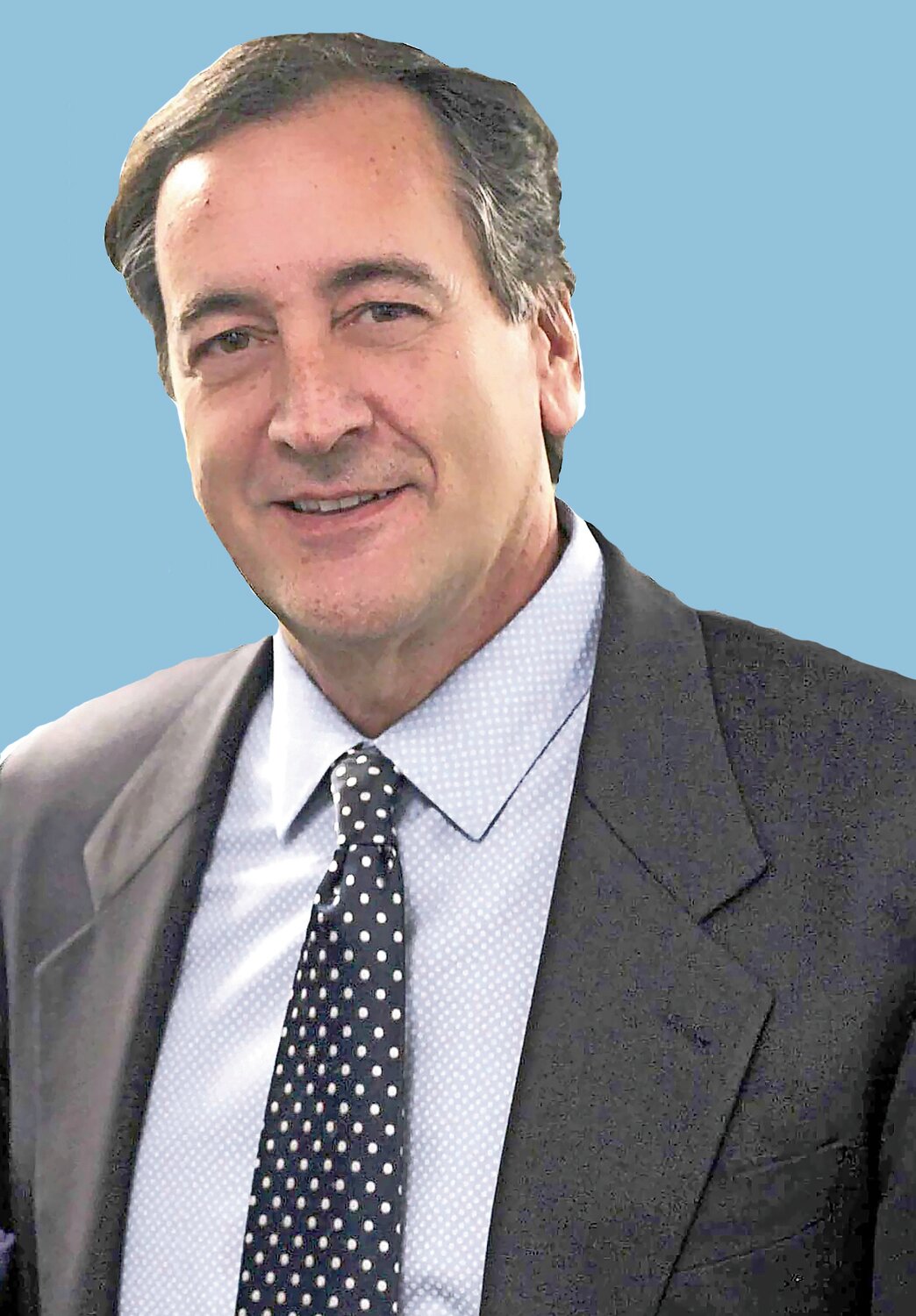
Charles J. Fuschillo Jr. is president and CEO of the Alzheimer’s Foundation of America and a Merrick resident.


